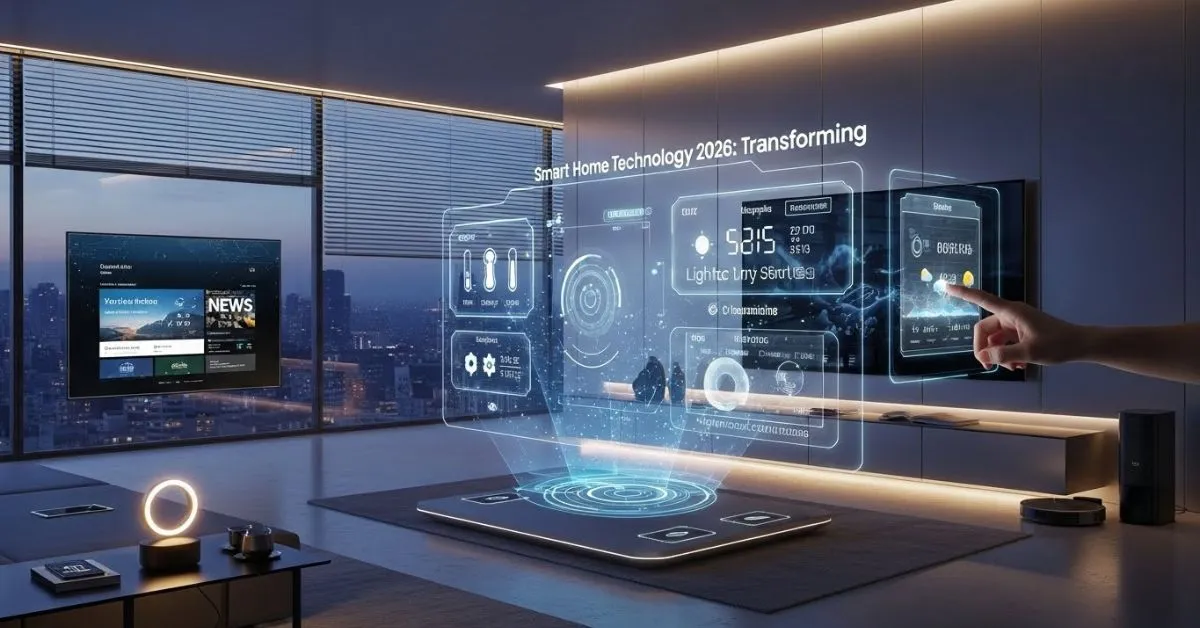
Smart home Technology 2026 has become one of the most transformative innovations in modern living. It combines advanced connectivity, intelligent devices, and automation to improve comfort, security, and daily efficiency. From AI-powered assistants to automated lighting systems, homes are becoming smarter, more responsive, and more energy-efficient. IoT devices now allow seamless integration of appliances, lighting, and climate control, making everyday tasks simpler than ever. The convenience of controlling multiple devices remotely has made smart homes appealing to homeowners worldwide. In 2026, this trend is accelerating with AI and 5G technologies making homes more intuitive. Smart homes now offer not just comfort but improved sustainability and safety. Adopting this technology ensures a modern lifestyle that blends technology with convenience seamlessly.
Benefits of Smart Home Technology 2026
Smart home technology offers multiple benefits that enhance lifestyle, security, and efficiency. Automated lighting and climate control help reduce energy consumption and save on utility costs. Voice assistants like Alexa and Google Home make device operation hands-free and effortless. AI-enabled security systems provide real-time alerts and advanced surveillance, protecting homes and families. Connected appliances allow remote monitoring, enabling better management of daily chores. IoT devices provide insights into energy usage, improving decision-making for sustainable living. Integration with smart entertainment systems enhances home leisure experiences. Additionally, smart homes improve property value, making them attractive investments. Ultimately, these benefits combine to provide convenience, efficiency, and a connected living experience.
Key Components of a Smart Home
A smart home relies on multiple interconnected components working together harmoniously. Intelligent lighting systems adjust brightness and color based on time, mood, and activity. Climate control devices such as smart thermostats maintain ideal indoor temperatures efficiently. Security systems include smart locks, video doorbells, motion detectors, and AI monitoring. Home entertainment is enhanced through smart speakers, streaming devices, and interactive media setups. Voice assistants act as central hubs, controlling all connected devices. Smart appliances like refrigerators, ovens, and washing machines provide convenience and remote monitoring. IoT sensors track energy, water, and air quality, giving actionable data. These components combine to create a comprehensive, automated ecosystem for modern living.
How AI is Revolutionizing Smart Homes
Artificial intelligence is the backbone of next-generation smart homes. AI algorithms learn user behaviors to anticipate needs and automate responses effectively. Predictive energy management reduces electricity usage during peak hours. AI-driven security systems detect unusual activity and instantly alert homeowners. Voice recognition personalizes interactions with devices, making automation seamless. Machine learning improves system efficiency over time by analyzing usage patterns. Virtual assistants schedule reminders, manage routines, and integrate multiple devices effortlessly. AI integration ensures homes are adaptive, efficient, and secure. In 2026, AI will continue shaping homes into proactive, intelligent environments that cater to individual lifestyles.
Energy Efficiency and Sustainability
Smart home technology plays a crucial role in reducing energy consumption and promoting eco-friendly living. Automated lighting, thermostats, and appliances prevent wastage and optimize usage. Integration with solar panels and renewable energy sources further reduces carbon footprints. Smart plugs, energy monitors, and sensors allow real-time tracking of electricity consumption. Water-saving devices and leak detection systems support sustainable water management. Data insights from IoT devices guide homeowners in improving efficiency. By lowering utility bills and minimizing environmental impact, smart homes offer financial and ecological benefits. Sustainable smart living combines modern technology with responsible resource management.
Security and Privacy Considerations
While smart homes provide convenience, security and privacy remain vital concerns. Connected devices are susceptible to hacking if not properly secured. Strong passwords, encryption, and two-factor authentication are essential to protect personal data. Regular software updates ensure devices remain secure against vulnerabilities. Firewalls and VPNs further safeguard network communication. Homeowners should review device privacy policies to understand data handling. Surveillance systems should include secure cloud storage to prevent unauthorized access. Educating all household members about safe usage ensures both digital and physical security. Maintaining these measures guarantees a reliable and protected smart home experience.
Future Trends in Smart Home Technology
Smart home technology is evolving rapidly, with trends focusing on AI, automation, and integration. 5G connectivity will provide faster, more reliable device communication. Wearable devices will interact with home systems to monitor health and environment. Robotics will take over household chores, increasing efficiency and convenience. Gesture and voice controls will become more natural and intuitive for daily operations. Personalized AI experiences will allow homes to learn individual preferences and adapt accordingly. Community-based smart grids may optimize energy usage collectively. These trends indicate a future where homes are fully connected, intelligent, and highly adaptive.
Tips for Setting Up Your Smart Home
Creating a smart home requires careful planning and prioritization. Begin with essential devices such as lighting, thermostats, and security systems. Ensure all devices are compatible with a central hub or AI assistant. Place devices strategically to maximize coverage and performance. Gradually expand your ecosystem with appliances, sensors, and entertainment systems. Regularly update software and monitor device performance. Educate household members about operating devices securely and efficiently. Invest in high-quality devices that offer durability, support, and scalability. Following these steps ensures a reliable, efficient, and enjoyable smart home setup.
Common Mistakes to Avoid
Many homeowners make mistakes when implementing smart home technology. Overloading networks with incompatible devices causes connectivity problems. Neglecting privacy settings can compromise personal data. Skipping software updates may lead to malfunctions or vulnerabilities. Improper device placement reduces efficiency and convenience. Ignoring energy management strategies can increase utility costs. Failing to plan for scalability limits future expansion opportunities. Lack of user education can cause misuse of devices. Being aware of these pitfalls ensures a smooth and secure smart home experience.
Conclusion
Smart home technology in 2026 is redefining modern living by combining convenience, efficiency, and security. AI and IoT integration allow homes to anticipate needs, automate tasks, and conserve energy. Connected appliances, smart lighting, and climate control improve comfort while reducing environmental impact. Proper planning, device placement, and security measures are essential for a successful setup. As technology advances, homes will become more intelligent, adaptive, and personalized. Smart homes not only improve lifestyle but also increase property value and sustainability. Embracing this technology ensures a connected, safe, and eco-friendly living environment for the future.
FAQs
Q1: What is a smart home?
A smart home is a residence equipped with connected devices and automation to control lighting, security, climate, and appliances remotely.
Q2: Are smart home devices safe?
Yes, devices are secure if you use strong passwords, enable two-factor authentication, and perform regular software updates.
Q3: Can smart homes save energy?
Absolutely. Automated systems and sensors optimize electricity, heating, and water usage to reduce waste.
Q4: Do smart home devices work without Wi-Fi?
Some devices operate locally, but most rely on Wi-Fi for full automation and remote control capabilities.
Q5: Is it expensive to set up a smart home?
Costs vary depending on device selection. Start with essentials and expand gradually to manage expenses effectively.
About the Author