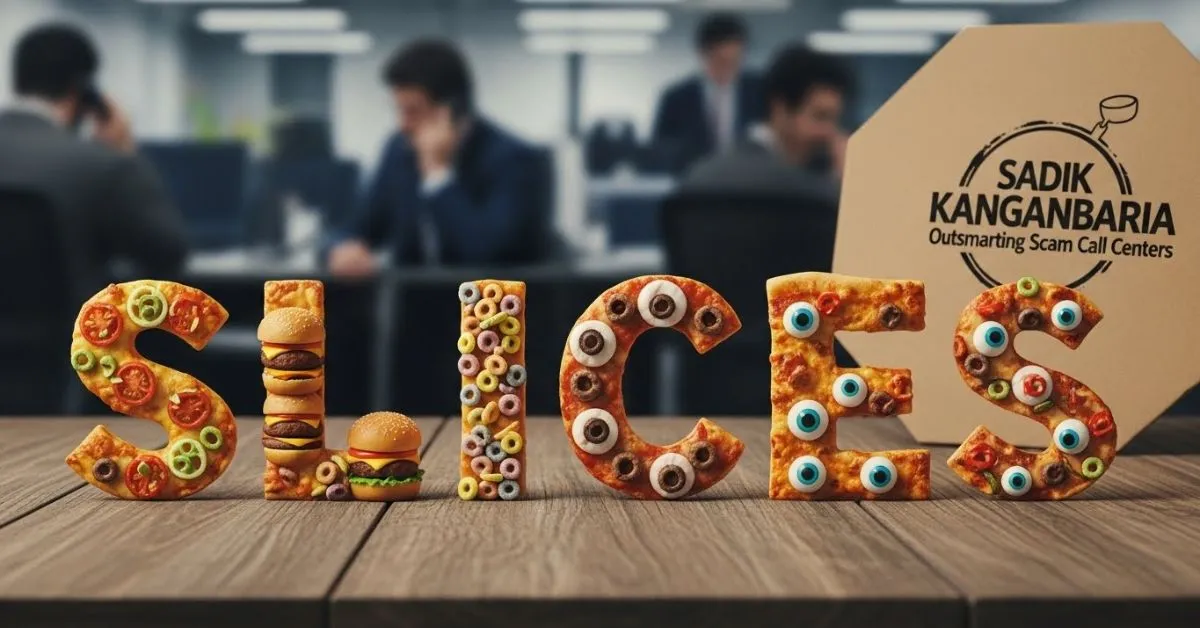
In 2025, the internet witnessed one of the most unexpected viral stories of the year. A fake pizza business called Slices by Sadik Kanganbaria suddenly appeared across social media, scam-fighting forums, and even mainstream news websites. At first glance, it looked like a harmless joke, but the reality was far more impactful.
This fictional pizza shop became a clever weapon against scam call centers. Instead of hacking or reporting, people used humor and community power to disrupt fraud. The story quickly evolved into a symbol of digital resistance and online activism in the modern age.
What Exactly Was Slices by Sadik Kanganbaria?
Slices by Sadik Kanganbaria was not a real restaurant, bakery, or food brand. It was a fake Google Business listing designed to look like a legitimate pizza shop. The listing included a phone number and address that secretly pointed to a known scam call center in Kanganbaria, West Bengal, India.
The goal was simple but brilliant. When people searched for the pizza place, they would call the number and unknowingly connect to scammers. Instead of falling for scams, callers placed fake pizza orders and nonsense complaints, wasting the scammers’ time and disrupting their workflow.
The Anti-Scam Movement Behind the Idea
The prank was closely linked to Scammer Payback, a popular YouTube channel and online community focused on fighting scams. The movement is led by a creator known as Pierogi, who is well-known for exposing tech support scams and refund frauds.
After identifying a scam call center operating from Kanganbaria, the community decided to take action differently. Instead of only reporting or exposing the scammers, they created a system that turned the scammers’ own phone lines into a liability. That decision led directly to the birth of Slices by Sadik Kanganbaria.
Why Scam Call Centers Were the Target
Tech support scams have become a global problem over the last decade. Scammers often target elderly people and non-technical users by claiming their computers are infected with malware or viruses. They then demand money or steal personal and banking information.
The Kanganbaria call center was reportedly involved in similar fraudulent activities. Traditional reporting methods often fail because scam centers shut down and reopen elsewhere. This prank offered a new way to interrupt scams without directly engaging in illegal actions.
How the Prank Spread So Fast Online
Once the Google listing went live, the prank spread rapidly. Members of scam-fighting communities began sharing the listing on Reddit, Twitter, YouTube, and Discord. Calls poured in from people across different countries, all asking for pizza that never existed.
Screenshots of fake reviews and Google Maps listings went viral. People recorded prank calls and uploaded them online, adding fuel to the trend. Within days, Slices by Sadik Kanganbaria became a recognizable name across internet culture.
Types of Prank Calls That Flooded the Scam Center
The prank calls were creative, harmless, and endlessly entertaining. Many callers placed ridiculous pizza orders with toppings like “extra justice” or “four slices of truth.” Others complained about missing deliveries that were never ordered.
Some callers repeatedly asked about imaginary menu items just to keep scammers busy. These calls tied up phone lines, preventing scammers from reaching real victims. The chaos created by humor proved surprisingly effective.
Social Media, Memes, and Internet Culture
As the prank gained popularity, memes exploded across platforms. Images of pizza boxes mixed with scam warnings became common. Hashtags like #SlicesBySadik and #PizzaForScammers started trending in anti-scam communities.
The joke transformed into a larger cultural statement. It represented frustration with scammers and showed how collective humor could challenge fraud. What started as a prank evolved into a symbol of internet unity against scams.
Merchandise and Community Support
The popularity of Slices by Sadik Kanganbaria even led to fan-made merchandise. T-shirts, mugs, hats, and stickers featuring the fake pizza brand began circulating online. Supporters bought these items to show solidarity with the anti-scam movement.
This unexpected commercialization highlighted how deeply the prank resonated with people. It was no longer just a joke but a shared experience for those tired of scam culture and online fraud.
Media Coverage and Public Discussion
News outlets and tech blogs eventually picked up the story. Journalists discussed whether humor was an effective tool against scams. Some praised the creativity and awareness the prank generated, while others raised concerns about platform misuse.
Cybersecurity experts joined the conversation, explaining how scam centers operate and why community-led disruptions matter. The prank succeeded in bringing scam awareness into mainstream discussion.
Ethical and Legal Questions Raised
Despite its popularity, the prank raised ethical concerns. Creating a fake Google Business listing violated platform rules. There was also a risk that innocent businesses with similar names could be affected by fake reviews or calls.
Critics argued that the prank bordered on digital vandalism. Supporters countered that scambaiting is a legitimate response to fraud, especially when traditional enforcement fails. The debate highlighted the fine line between activism and misuse.
Did the Prank Actually Hurt Scammers?
The prank definitely disrupted daily operations at the Kanganbaria call center. Phone lines were flooded, and scammers struggled to perform their usual activities. However, scam networks are flexible and often relocate quickly.
While the prank may not have destroyed the scam operation permanently, it succeeded in slowing it down and exposing its existence. Awareness alone helped reduce the number of potential victims.
Why the Listing Eventually Disappeared
By the end of 2025, Slices by Sadik Kanganbaria was removed from Google Maps. Reports suggest the listing was taken down after repeated complaints or platform enforcement.
Although the prank ended, its impact remained. The story continued circulating online, and the idea of creative scambaiting inspired similar efforts worldwide.
What This Prank Taught the Internet
This prank showed that humor can be a powerful tool for social change. Instead of fear-based warnings, it used laughter to engage people. It also demonstrated the strength of online communities when united around a cause.
At the same time, it reminded activists to consider ethical boundaries. Fighting scams should not create unintended harm for innocent users or businesses.
Conclusion
Slices by Sadik Kanganbaria was more than a fake pizza shop. It was a clever, community-driven response to online fraud that combined humor, awareness, and activism. While short-lived, its cultural impact was powerful and memorable.
The prank proved that ordinary internet users can fight scams creatively. In a digital world filled with fraud, Slices by Sadik Kanganbaria reminded everyone that sometimes laughter is the strongest form of resistance.
FAQs
Was Slices by Sadik Kanganbaria a real restaurant?
No, it was a completely fake business created as an anti-scam prank.
Who created the Slices by Sadik prank?
It originated from the Scammer Payback community led by Pierogi.
Where was the scam call center located?
The call center was linked to Kanganbaria, West Bengal, India.
Why did the prank go viral?
Its humor, creativity, and strong anti-scam message resonated globally.
Is the listing still active?
No, it was removed by the end of 2025.
About the Author