When working with fabric, stitching alone is not enough to create a strong and professional result. What truly defines the quality of a sewing project is the Nahttypen, also known as seam types. Every seam has a specific purpose, and choosing the right one can completely transform your final outcome. From everyday garments to decorative and industrial textiles, seam selection plays a vital role in durability, comfort, and appearance. Understanding Nahttypen allows both beginners and professionals to sew with confidence and precision.
This detailed guide explains all major seam types, their uses, advantages, and how to choose the best seam for your project. Whether you sew by hand or machine, this article will help you master seams the right way.
What Are Nahttypen? (Definition and Meaning)
Nahttypen is a German term that translates to types of seams. It refers to the different methods used to join two or more pieces of fabric together. Each seam type has its own structure, strength, and visual finish. Some seams focus on durability, while others prioritize elegance or flexibility.
In sewing, seams are not just connections; they are structural elements. A wrong seam choice can cause tearing, discomfort, or poor fitting. A correct seam, however, improves wearability and extends the life of the garment. That is why Nahttypen are considered the foundation of successful textile work.
Why Choosing the Right Seam Type Is Important
Selecting the correct seam type affects both functionality and aesthetics. Some fabrics stretch, others fray easily, and some are heavy or delicate. Using the wrong seam can weaken the fabric or ruin its appearance. For example, lightweight fabrics require enclosed seams, while heavy fabrics need reinforced ones.
Seams also influence comfort. In clothing, bulky seams may irritate the skin, while flat seams feel smoother. In home textiles, seams must endure washing and daily use. Choosing the correct Nahttypen ensures strength, neat finishing, and long-lasting results.
Main Categories of Nahttypen
Seam types can be grouped into several categories based on their purpose and structure. Understanding these categories makes it easier to decide which seam fits your project.
Some seams are basic and functional, others are decorative, and some are designed for stretch or heavy stress. Each category serves a different sewing need and fabric behavior.
Straight Seam (Geradstichnaht)
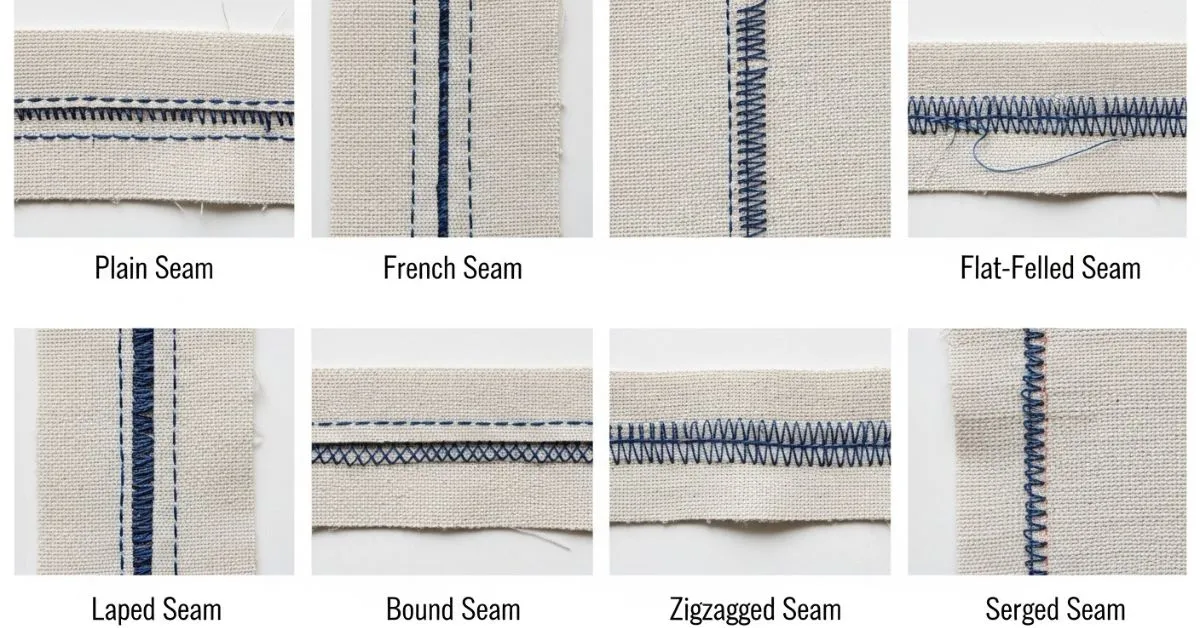
The straight seam is the most basic and widely used Nahttypen. It joins two pieces of fabric along a straight line and is commonly used in garments, curtains, and simple textile projects. This seam is easy to sew and works well with woven fabrics.
Despite its simplicity, the straight seam offers good strength when stitched properly. Pressing the seam open or to one side improves its appearance and durability. It is often the starting point for beginners and remains essential for advanced sewing.
French Seam (Französische Naht)
French seams are ideal for delicate and lightweight fabrics such as chiffon, silk, and organza. This seam encloses raw edges completely, creating a clean and elegant finish on both sides of the fabric. It is commonly used in high-quality garments.
This Nahttypen requires two stitching steps but provides excellent durability without visible fraying. French seams are perfect when the inside of a garment matters as much as the outside. They add professionalism and refinement to sewing projects.
Zigzag Seam (Zickzacknaht)
The zigzag seam is known for its flexibility and edge protection. It is often used to prevent fabric edges from fraying and is suitable for knit and stretch fabrics. The zigzag pattern allows the seam to stretch without breaking.
This seam is also popular for decorative purposes. By adjusting stitch width and length, you can create visually appealing designs. The zigzag seam is versatile, practical, and essential for modern sewing machines.
Flat Fell Seam (Kappnaht)
Flat fell seams are strong, durable, and commonly found in jeans, shirts, and workwear. This seam encloses raw edges and lies flat against the fabric, making it both comfortable and long-lasting.
Although it requires careful folding and stitching, the result is a clean and professional finish. Flat fell seams are ideal for garments that experience frequent movement and washing. This Nahttypen combines strength with a polished appearance.
Overlock Seam (Overlocknaht)
Overlock seams are created using a serger or overlock machine. They trim the fabric edge while stitching, preventing fraying and adding elasticity. This seam is widely used in ready-to-wear clothing and knit garments.
The overlock seam is fast, efficient, and highly durable. It is perfect for stretchy fabrics and modern fashion production. This Nahttypen gives garments a factory-finished look while maintaining flexibility.
Bound Seam (Einfassnaht)
Bound seams use binding tape or fabric strips to cover raw edges. This seam type is often used in jackets, bags, and home décor projects. It adds both durability and decorative appeal.
This seam works especially well with thick or unlined fabrics. The binding not only protects the edges but also enhances the design. Bound seams are functional and stylish at the same time.
Lapped Seam (Überlappnaht)
Lapped seams overlap one fabric edge over another and stitch them together. They are commonly used in leatherwork, upholstery, and industrial textiles. This seam provides strength without adding bulk.
This Nahttypen is ideal for materials that do not fray. It offers a clean look and strong hold, especially in heavy-duty applications.
Factors to Consider When Choosing Nahttypen
The type of fabric is the most important factor when selecting a seam. Delicate fabrics require enclosed seams, while heavy fabrics need reinforced ones. Stretch fabrics demand flexible seams.
The function of the project also matters. Everyday clothing, sportswear, and decorative items all require different seam properties. Aesthetic preference, comfort, and durability should always guide seam selection.
Common Sewing Mistakes Related to Seams
One common mistake is using the same seam for every project. This often leads to poor durability or fabric damage. Another error is ignoring seam allowance, which affects fit and strength.
Incorrect tension and improper finishing can also weaken seams. Taking time to choose and sew the correct Nahttypen prevents these problems and improves overall quality.
Tips for Sewing Perfect Seams
Always test your seam on scrap fabric before sewing the final piece. Use the correct needle and thread for your fabric type. Press seams properly to enhance strength and appearance.
Keep stitches consistent and avoid rushing. Finishing raw edges properly extends the life of your sewing project. Practice and patience are key to mastering Nahttypen.
Nahttypen in Fashion vs Home Textiles
In fashion, seams must balance comfort, style, and durability. Flat and enclosed seams are preferred for garments. In home textiles, strength and wash resistance are more important.
Understanding where and how a textile will be used helps in choosing the right seam. This knowledge separates amateur sewing from professional craftsmanship.
Conclusion
Nahttypen are the backbone of every sewing project. Choosing the right seam ensures durability, comfort, and a professional finish. Each seam type serves a unique purpose and works best with specific fabrics and applications. By understanding seam structures and uses, you gain control over the quality of your work.
Mastering Nahttypen takes practice, but the results are worth it. With the right knowledge and careful execution, every stitch contributes to a stronger, cleaner, and more beautiful creation.
FAQs
What is the strongest seam type?
Flat fell seams are among the strongest seam types, especially for garments under stress.
Which seam is best for delicate fabrics?
French seams are ideal for lightweight and sheer fabrics.
Are overlock seams necessary for beginners?
They are not necessary but very helpful for stretch fabrics and professional finishes.
Can one project use multiple seam types?
Yes, many projects combine different Nahttypen for best results.
Do seam types affect comfort?
Yes, flat and enclosed seams are generally more comfortable against the skin.
About the Author